
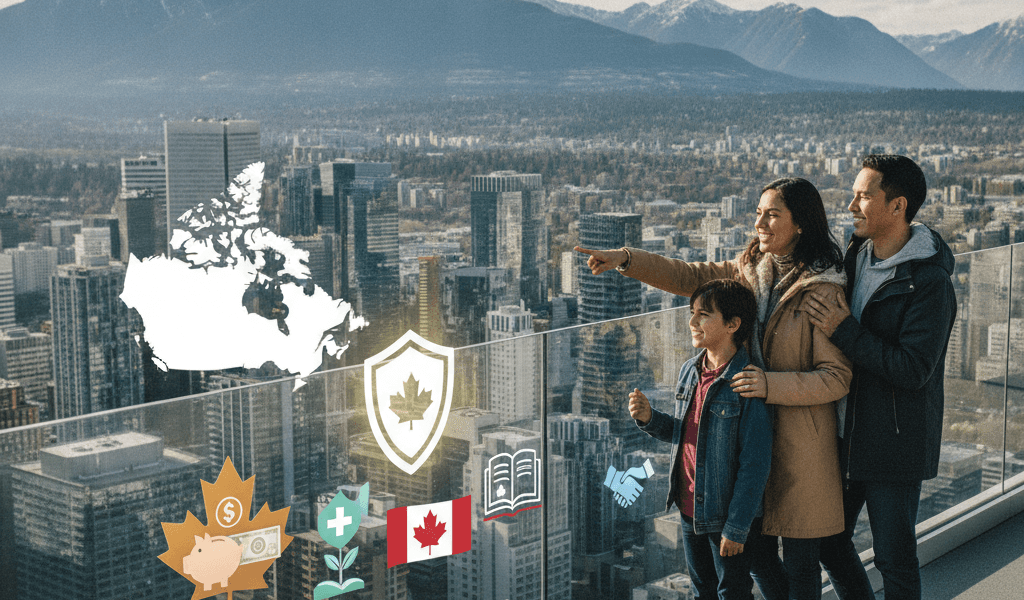
Safeguard Your New Life in Canada Top Tips
Moving to a new country like Canada is an incredibly exciting chapter. It is filled with opportunities for growth, new experiences, and building a strong future. I have seen many people arrive with big dreams, ready to embrace everything this beautiful nation offers. But with any big move, especially internationally, there are also practical considerations that often get overlooked in the excitement.
One of the most important aspects for anyone starting fresh is personal safety and security. While Canada is known for its generally safe communities and low crime rates, being prepared and understanding local customs and potential risks helps you settle in smoothly. My goal is to share some top tips to safeguard your new life in Canada, giving you peace of mind as you begin this wonderful journey.
Thinking ahead about safety allows you to focus on the positive aspects of your relocation without unnecessary worries. We can help you build a secure foundation for a successful and happy life in your new Canadian home. This guide will walk you through essential steps for staying safe, from personal habits to protecting your digital footprint.
Understanding Canada’s Safety Landscape for New Residents
Canada is consistently ranked among the safest countries in the world. Its cities and towns generally boast low crime rates compared to many other nations. However, safety is not uniform across all regions or circumstances. Understanding the general safety landscape is your first step to feeling secure here.
I always advise newcomers to recognize that even in a safe country, urban areas will have different safety considerations than rural ones. For example, larger cities might have more instances of petty crime like pickpocketing or bike theft, especially in crowded tourist spots or public transit hubs. Rural areas might present different challenges, such as wildlife encounters or the need for more self-reliance in remote settings.
Familiarizing yourself with local emergency services is also a basic but crucial step. Knowing how to contact police, fire, or ambulance by calling 911 will serve you well. We want to make sure you feel confident knowing help is available if you ever need it. I have found that having this knowledge empowers you and reduces anxiety about the unknown.
Urban vs. Rural Safety Differences
In Canada’s bustling cities, you will find busy streets and a diverse mix of people. Here, common sense safety rules apply just as they would anywhere else. This means being aware of your surroundings and avoiding walking alone late at night in poorly lit areas. Public transportation is generally safe but staying alert during your commute, especially during off-peak hours, is wise. My experience has shown me that observing how locals act can teach you a lot about safe practices in any specific urban environment.
If you are heading to a rural part of Canada, the safety picture changes. You might be more concerned about weather conditions, wildlife, or longer response times from emergency services. Always let someone know your travel plans if you are venturing into remote areas. Carrying a charged phone and emergency supplies is a smart move. We encourage everyone to research the specific regional considerations for where they plan to live or visit, because Canada’s vast geography offers many different environments.
Essential Personal Safety Tips for Newcomers
Personal safety is about being proactive and trusting your instincts. For those new to Canada, adopting a few key habits can significantly enhance your feeling of security. It starts with simple awareness in your daily life, and these tips are things I share with every new person I meet.
Always try to project confidence when you are out and about. Walk with purpose and keep your head up. This simple act makes you appear less like an easy target. I also suggest avoiding distractions like constant phone use in busy areas, because this limits your ability to notice what is happening around you. We want you to enjoy your new surroundings but also be mindful of them.
Another practical tip involves managing your valuables. Try not to openly display expensive items like smartphones or jewelry in public spaces. Keeping your wallet or purse secure and close to your body, especially in crowded places, is also a good habit. These small actions reduce the chances of becoming a target for petty theft. For more specific new resident safety tips, consider exploring local community resources.
Staying Aware in Public Spaces
When you are exploring new neighborhoods or using public transport, it is helpful to always know your route before you leave. This helps you look like you know where you are going, even if it is your first time. If you feel lost or unsure, step into a public place like a store or a coffee shop to reorient yourself, rather than standing on a street corner with a map out.
During evening hours, if possible, travel with a friend or colleague. If you must go out alone, stick to well-lit and populated streets. Many Canadian cities have active nightlife but it is always best to be cautious. We know you will want to experience everything, and being safe means you can enjoy it more fully.
Safe Transportation Practices
Canada offers various transportation options, from public transit to ride-sharing services. If you are using public transit, check schedules and routes beforehand. Sit near the driver or in well-populated areas of the bus or train. If using ride-sharing apps, always verify the driver and vehicle information matches what is displayed on your app before getting into the car. I always tell people to trust their gut. If something feels off, do not get in.
For those considering driving, understanding Canadian road rules is crucial. Different provinces might have slight variations so checking the local Department of Motor Vehicles website is a good idea. Always wear your seatbelt and avoid distracted driving. When walking or cycling, be sure to follow pedestrian and cycling laws, like using crosswalks and wearing a helmet, because these practices keep everyone safe on the road.
Protecting Your Finances and Identity in Canada
Financial security is a big part of feeling settled in a new country. Unfortunately, newcomers can sometimes be targets for scams or fraud, because they may not yet be familiar with local practices. Protecting your personal information and finances is just as important as your physical safety.
When you arrive, setting up bank accounts and getting official documents like a Social Insurance Number (SIN) are high priorities. Always be careful about who you share this sensitive information with. Legitimate government agencies or banks will rarely ask for your full SIN or banking details over email or an unsolicited phone call. If you are unsure, always verify the source by calling them back on a publicly listed number, not one they provide.
I have often heard stories of new residents falling for various tricks. The best defense is a healthy dose of skepticism. If an offer seems too good to be true, it probably is. Keep detailed records of your financial transactions and regularly check your bank statements for any suspicious activity. We are here to help you navigate these waters safely.
Recognizing Common Scams
Scammers often pose as government officials, such as from the Canada Revenue Agency (CRA) or immigration services. They might threaten arrest or deportation if you do not immediately pay alleged taxes or fines using unusual methods, like gift cards or wire transfers. Remember, the CRA will never demand immediate payment through these means or threaten you. They will contact you through official mail first.
Another common tactic involves employment scams. These might promise a high-paying job in exchange for an upfront fee for training or background checks. Be very wary of jobs that require you to pay money to get hired. Always research the company offering employment. I always advise people to check if the company has a legitimate online presence and physical address. We want you to find real opportunities, not get caught in a trap.
Home Security Measures for Canadian Residents
Your home is your sanctuary, and ensuring its security is fundamental to your overall well-being in Canada. Whether you are renting an apartment or buying a house, there are practical steps you can take to make your living space safe. I have seen how a few simple precautions can make a big difference.
Start with the basics. Always make sure your doors and windows are locked, even when you are home. If you are renting, check with your landlord about alarm systems or smart home devices that can add an extra layer of protection. Many modern homes come equipped with these features, and if not, they are often easy to install. We understand that settling into a new home takes time, but security should be a priority from day one.
It is also important to be cautious about who you let into your home. If someone claims to be from a utility company or offering a service, always ask for identification. If you are unsure, you can call the company directly to verify their visit. Do not feel pressured to open your door to strangers. I always tell people that it is better to be safe than sorry, even if it feels a little awkward at the moment.
Apartment and House Safety
For apartment dwellers, getting to know your neighbors can create an informal security network. Keeping an eye out for each other makes a community safer. Also, be mindful of shared spaces, like laundry rooms or parking garages. Ensure they are well-lit and that access doors are always secured. Never prop open shared entryways.
If you live in a house, consider exterior lighting, especially around entry points. Motion-sensor lights can deter unwanted visitors. Trimming shrubs and trees near windows and doors also removes hiding spots. When you are away for an extended period, ask a trusted neighbor to collect your mail and keep an eye on your property. This makes your home look occupied. These details contribute significantly to your sense of security.
Navigating Online Safety and Digital Well-being
In today’s connected world, our digital lives are just as important to safeguard as our physical ones. As a newcomer to Canada, you will be setting up new online accounts, signing up for services, and likely communicating with family and friends internationally. Understanding online safety is crucial to prevent issues like identity theft or financial fraud.
The internet can be a wonderful tool, but it also presents risks. Phishing scams, malware, and data breaches are common challenges everyone faces. I always advise using strong, unique passwords for all your online accounts. This means combining letters, numbers, and symbols and avoiding easily guessable information like birthdays or simple sequences. Two-factor authentication (2FA) adds another layer of security, because it requires a second verification step beyond just a password.
Be careful about clicking on suspicious links in emails or text messages, especially if they are from unknown senders or promise something too good to be true. Legitimate organizations will not ask you for personal information through these channels. We encourage you to always go directly to the official website of any service you need to access, rather than clicking on links sent to you.
Strong Passwords and Privacy Settings
Creating strong passwords is just the beginning. I suggest using a password manager to keep track of your unique credentials for different sites. This tool encrypts your passwords, so you only need to remember one master password. It makes managing your online security much easier and more effective.
Regularly review the privacy settings on your social media accounts and other online platforms. Understand what information you are sharing publicly and who has access to it. Think twice before posting sensitive personal details, like your exact location or travel plans, especially when you are just settling into a new country. We want your online experience to be safe and private.
Building a Support Network and Community Safety
Feeling safe in a new country is not just about avoiding danger; it is also about building connections and knowing who to turn to for help. Integrating into your local community in Canada creates a strong safety net and a sense of belonging. I have seen how much easier it is for people to thrive when they feel connected to others.
Making friends and building a support network takes time, but it is a worthwhile effort. Join local community groups, volunteer for causes you care about, or participate in neighborhood events. These are great ways to meet people and learn about your new surroundings from those who know it best. Neighbors often look out for one another, and this informal network can be incredibly valuable in times of need.
If you encounter difficulties or need advice, do not hesitate to reach out. Many communities in Canada have settlement services for newcomers that offer guidance on everything from finding housing to understanding local laws. These organizations are there to help you adjust and stay safe. We believe that a strong community is a safe community.
Local Resources and Emergency Contacts
Beyond 911 for immediate emergencies, familiarize yourself with other important local contacts. This includes non-emergency police numbers, local health clinics, and the contact information for your embassy or consulate in Canada. Having these numbers readily available in your phone or written down can save precious time if a situation arises.
Many cities also have community support lines or crisis hotlines that can offer assistance for various non-emergency situations, such as mental health support or victim services. Knowing these resources exist provides an extra layer of security. I encourage everyone to put together a small list of these important contacts, because being prepared means you can respond effectively to any challenge.
Safeguarding Your New Life in Canada Top Tips: A Summary
Starting a new life in Canada is a truly rewarding experience, and taking proactive steps to ensure your safety allows you to fully enjoy this new chapter. From understanding Canada’s general safety landscape to adopting smart personal security habits, there are many ways to protect yourself and your loved ones. We have discussed the importance of being aware in public, practicing safe transportation, and diligently safeguarding your finances and identity against common scams.
Remember that securing your home, both physically and digitally, forms another crucial layer of protection. Using strong passwords and understanding privacy settings online keeps your personal information safe. Ultimately, building a strong support network and knowing your local community resources will create a sense of belonging and provide additional safety nets. I hope these insights help you feel more confident and secure as you establish your roots in Canada. Embrace the opportunities, stay informed, and always prioritize your well-being. We wish you all the best in your new Canadian life.